SaaS development
company for
multi‑tenant products
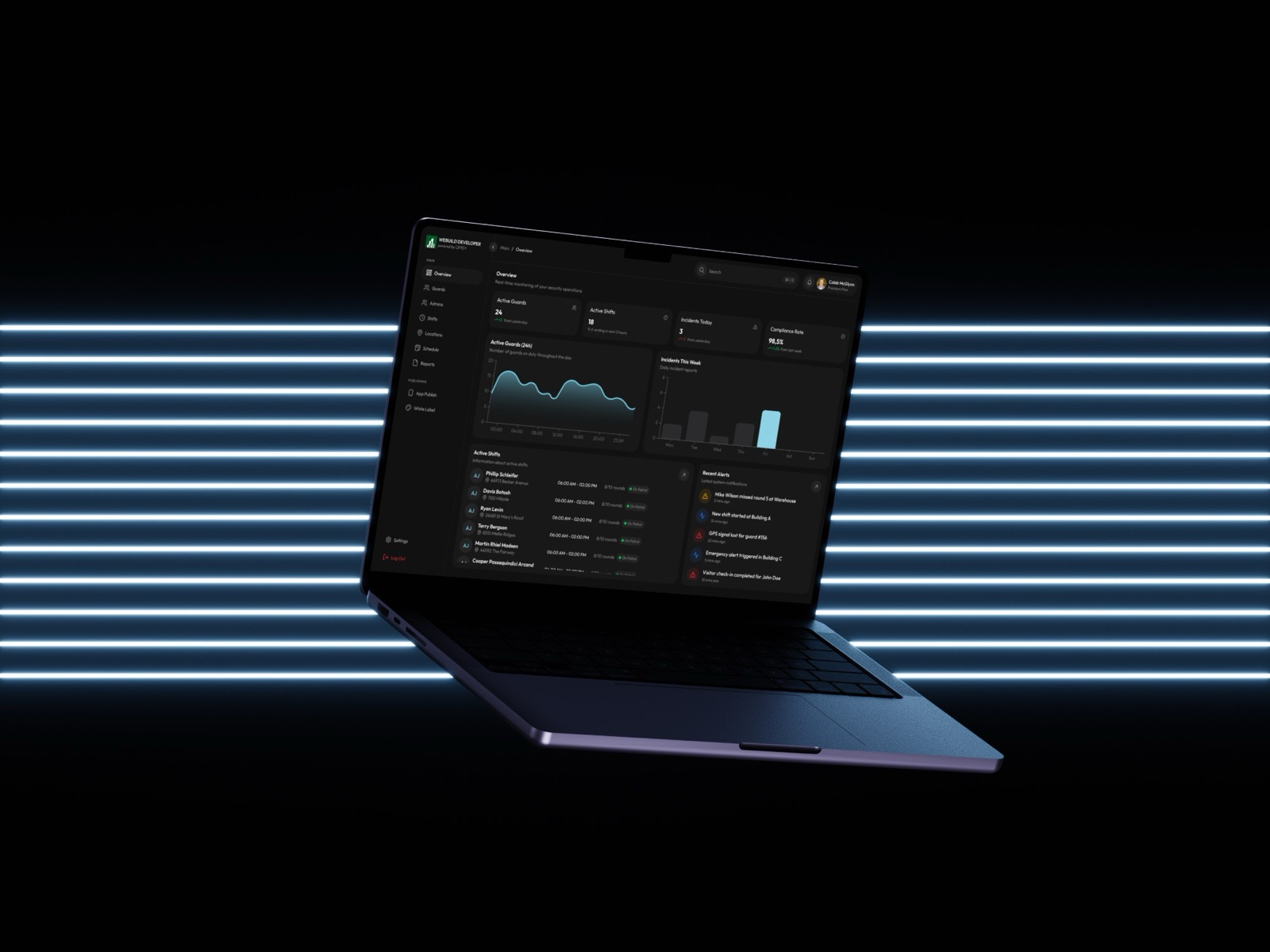
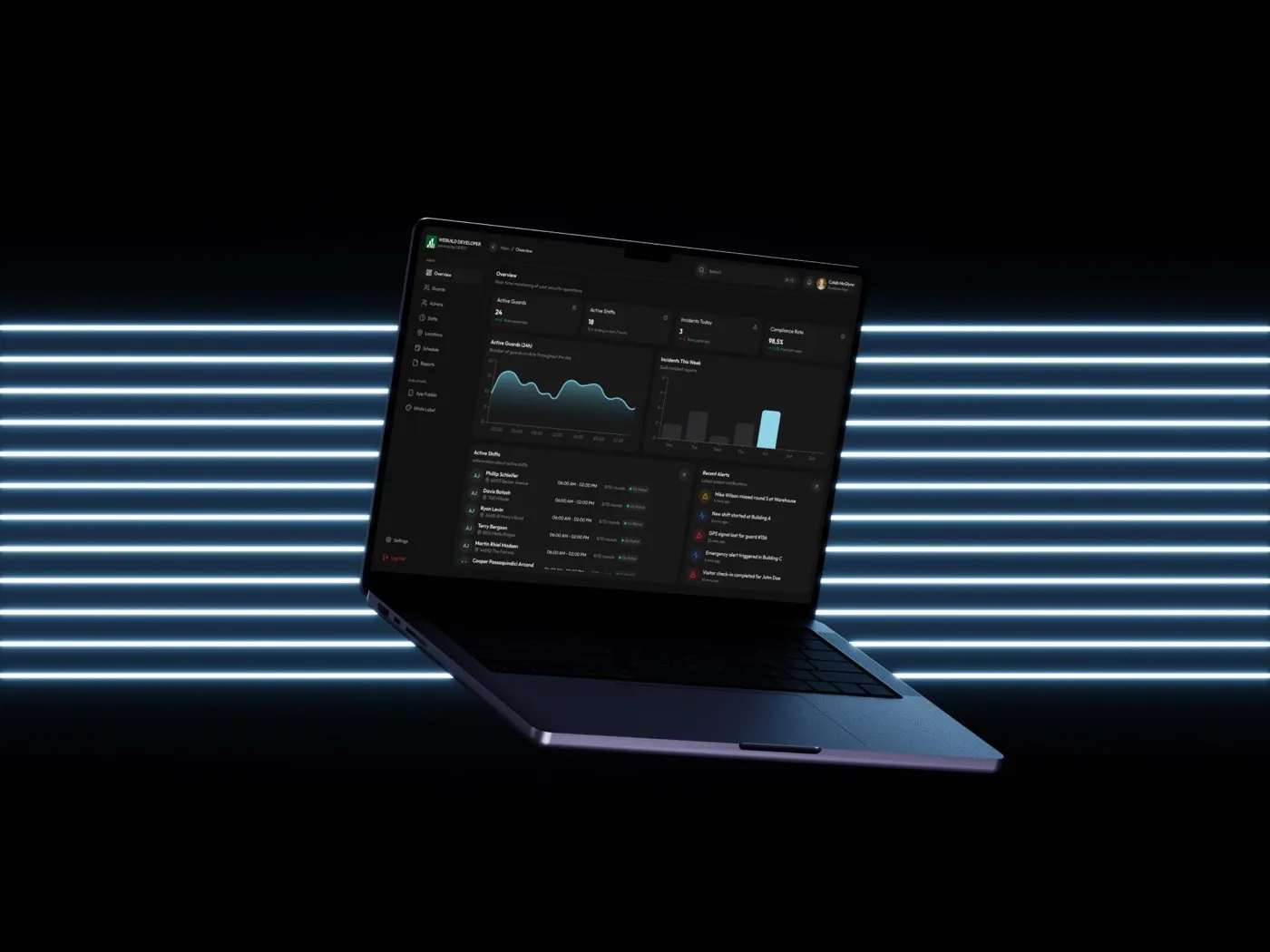
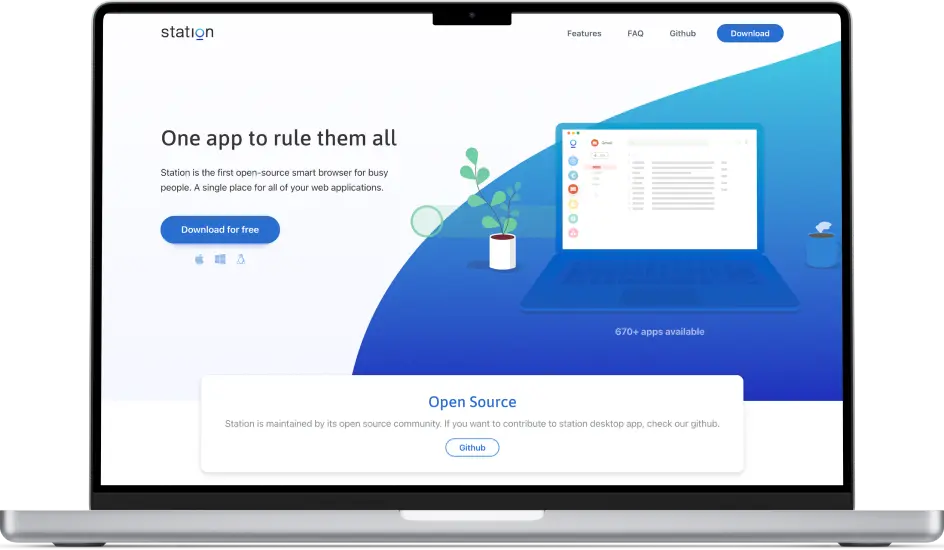
A SaaS product is one platform that many customers share: each sees only its own data, pays on its own plan and expects the thing to be up. We build that whole shape, from the multi-tenant backend and subscription billing to the web app and the mobile apps on top. Our engineers built OPSY, a white-label operations platform for security companies, and worked on Station, Product Hunt's SaaS Product of the Year.
Talk to our teamThe hard part is not the first customer
Every customer is a tenant
One codebase serves every account, and no account may ever see another's data. Tenancy decided late means a rewrite, so we decide it in the first migration.
Billing is part of the product
Trials, plans, upgrades, failed cards and invoices all change what a user can do. Subscription logic belongs in the architecture, not in a script someone runs by hand.
Customer fifty is a configuration
If onboarding a new account takes engineering time, growth costs headcount. A SaaS platform has to turn a new customer, or a new branded client, into settings.
What we build for SaaS companies
The platform underneath and the products people log in to, built by one team so the pieces agree with each other.
Multi-tenant backends
NestJS and PostgreSQL behind a GraphQL or REST API, with tenants separated from the first schema, so a new account is a row, not a deployment.
Subscription billing
Stripe trials, plans and trial-to-paid flows wired into permissions. We have also shipped Stripe Connect and ACH bank payments on live products.
White-label SaaS
Each client's logo, colors, domain and login on the same platform, the model OPSY sells to security companies.
Real-time dashboards
Live views that update as events happen, over GraphQL subscriptions, for products where the screen has to be the operation and not a report about it.
Web and mobile apps
The admin dashboard, the customer web app and the iOS and Android apps, in React, Angular, React Native and Ionic, on one backend.
Taking over a live SaaS product
Code review, refactoring and new features on a product that is already earning, the way we worked on Station's revamp and ongoing development.
The stack we build SaaS in
TypeScript end to end where we can: NestJS and Node.js on the backend, PostgreSQL and Redis for data and queues, GraphQL for live data, Stripe for billing, React, Angular and Next.js on the web, Docker and AWS underneath.
How we build a SaaS platform
The order matters. The decisions that are expensive to change later go first, before any screen exists.
Tenancy and data model first
Who owns which data, how accounts are separated and what a new customer needs set up. On OPSY tenants were separated from the first migration, because white-label only works if a new client is configuration rather than a fork.
Billing wired into permissions
Plans, trials and upgrades decide what each user can do, so Stripe sits next to the access rules, not on a separate payment page bolted on at the end.
The products people log in to
The admin dashboard, the customer app and the mobile apps, built on the same API so every surface shows the same truth.
Operations that run without you
Background jobs, transactional mail, push notifications and Docker deployments, so alerts, invoices and onboarding happen without anyone chasing them by hand.
Custom SaaS team vs boilerplate vs patchwork freelancers
How building your SaaS product with one team compares to starting from a template or piecing it together across separate hires.
Designed into the schema
Whatever the template assumed
Different assumptions per hire
Engagement models
Pick the model that fits your stage. You can change it as your roadmap changes.
Dedicated developer
One senior engineer, full-time on your SaaS product and managed by you.
- Full-time on one product
- Works in your tools and process
- Design, QA and code review behind them
- Monthly rate, scale up or down
Best fit for an ongoing roadmap.
Dedicated team
A cross-functional pod covering backend, billing, web and mobile, ready to ship end to end without growing your headcount.
- Backend, web and mobile in one pod
- Ships end to end
- Works with the team you have
- Scales with the roadmap
Best fit for a platform build that spans several layers at once.
Project-based
A scoped build, delivered end to end against a fixed plan, price, and timeline.
- Fixed scope and plan
- Fixed price and timeline
- Delivered end to end
- Handover included
Best fit for a defined piece of work with a clear finish line.
SaaS case studies
Platforms our engineers built or took over, from a white-label product to Product Hunt's SaaS Product of the Year.
Building a SaaS product?
Tell us what you're building and we'll tell you honestly what the tenancy, billing and first release take.
Talk to our teamQuestions
Starting from an idea, not a product? See our work with startups. Want a number first? Get a range in two minutes.
What does a SaaS development company build?
The whole platform a subscription product runs on: a multi-tenant backend, subscription billing, the admin dashboard, the customer web app, mobile apps where they are needed, and the background jobs, mail and deployments that keep it running. We build all of it with one team, so the pieces agree with each other.
Have you built multi-tenant SaaS before?
Yes. Our engineers built OPSY, a white-label operations platform for security companies: a NestJS, PostgreSQL and GraphQL backend with tenants separated from the first migration, a live supervisor dashboard in React and a guard mobile app for iOS and Android. A new security company on OPSY is a configuration task, not a new build.
Can you build a white-label SaaS product?
Yes. White-label means each client gets its own logo, colors, domain and login on the same platform underneath. That is the model OPSY sells, and it only works when tenancy is designed in from the start rather than added later.
How do you handle subscription billing?
With Stripe, wired into the product's plans and permissions: trials, the trial-to-paid flow, upgrades and failed payments all change what a user can do. We have also shipped Stripe Connect marketplace payouts and ACH bank payments on live products.
Can you take over an existing SaaS product?
Yes. On Station, Product Hunt's SaaS Product of the Year, we came in on a product that was already scaling: a source code review, a frontend refactor and a new routing system, GraphQL caching in place of the Redux store, a full redesign and new features. We start every takeover with a code review.
How much does SaaS development cost?
It depends on how many tenants, roles and integrations the first release needs, and whether it ships with mobile apps. Our estimator gives you a range in about two minutes, and we scope the exact number with you in discovery.
How do we start, and what engagement models do you offer?
Three ways: a dedicated developer, a cross-functional team covering backend, billing, web and mobile, or a scoped fixed-plan project. Shipping software since 2015, 5.0 on Clutch across 26 reviews, 640+ projects delivered.
Contact our team

 Our team contacts you within 24 business hours
 We collect all the key requirements from you
 The team of developers prepares estimation
 We can sign NDA since we respect the confidentiality of our clients