
AWS
Development
Every engineer on our team ships and runs production workloads on EC2 and S3, with Lambda for serverless work, and a dedicated specialist for GPU and AI infrastructure when a product needs self-hosted inference at real scale. Building software since 2015, 5.0 on Clutch.
Talk to our teamWhy teams pick us for AWS
Senior engineers, not juniors
The people who scope your build are the people who ship it. More than eleven years shipping software, and a 5.0 rating on Clutch across 26 reviews.
The whole team, not one calendar
EC2 and S3 are baseline skills across every engineer we have. A standard AWS build does not wait on a single specialist's availability.
A real specialist for the hard part
GPU servers and self-hosted AI infrastructure run through one engineer who does this daily, not whoever happens to be free that week.
Who runs on AWS
AWS is the infrastructure behind a large share of the internet, from startups to the largest platforms online.
What we build on AWS
AWS is the baseline every engineer on our team ships on, not a specialty a couple of people happen to have picked up.
- Application infrastructureEC2 for compute, S3 for storage, RDS or Aurora for the database, CloudFront in front, the standard production stack behind most of the apps we ship.
- Serverless and event-driven backendsLambda behind API Gateway for workloads that scale to zero between requests, and event-driven pipelines with SQS and EventBridge instead of an idle server.
- Containers on ECS and FargateDockerized services on ECS or Fargate when a workload needs more than a single Lambda invocation, without a Kubernetes cluster you do not need yet.
- GPU and self-hosted AI infrastructureEC2 GPU instances for self-hosted inference, speech-to-text, and model workloads that should not run through a third-party API.
- Migration and cost architectureMoving an app onto AWS from another host, and the follow-up most teams skip: right-sizing instances, reserved capacity, and catching idle resources.
The AWS stack we work in
From compute and storage through to the identity and monitoring layer around them.
How we scope AWS work
An AWS build fails most often on sizing, not on the services: an over-provisioned setup that costs more than the product earns, or an under-provisioned one that falls over at the first traffic spike. We scope for the load you actually have.
What the workload actually needs
Compute, storage, and traffic patterns, before any service gets picked. A background job and a user-facing API are not sized the same way.
The smallest architecture that holds
Serverless where traffic is spiky or low-volume, containers or dedicated instances where it is steady, so you are not paying for capacity you do not use.
GPU only where it earns its cost
GPU instances are expensive by the hour. We reach for them only when a self-hosted model genuinely needs one, and size the instance class to the actual workload.
Monitored from day one
CloudWatch and cost alarms configured before launch, so a runaway process or cost spike surfaces immediately instead of at the end of the month.
AI and GPU infrastructure on AWS
Self-hosted inference and speech-to-text are a different discipline from standard app hosting, and it shows up in the AWS bill fastest of anywhere in the stack.
Self-hosted over API calls, when it matters
Some products cannot send audio or user data to a third-party inference API. We run the model ourselves on GPU instances, so data never leaves infrastructure you control.
Speech-to-text at production scale
Architecture for transcription pipelines that hold up past a demo: queuing, GPU instance sizing, and the batching that keeps the workload from becoming the most expensive line in the bill.
One person who does this daily
Our GPU and AI-infrastructure work runs through one engineer who owns that specialty; the rest of the team ships standard AWS builds.
Read more on the architecture
We have published a full guide to speech-to-text technology and the infrastructure it takes to run it at scale, covering the same territory this work lives in.
Read the guide to speech-to-text at scale, or, for self-hosted retrieval, our full production write-up of hybrid RAG on Qdrant.
Why a dedicated AWS team beats the alternatives
How hiring a senior AWS engineer through us compares to building in-house or going freelance.
About two weeks
Two to three months
Varies a lot
Related reading
Recent write-ups from our engineers.
Questions
Do all your engineers know AWS, or is it one specialist?
EC2 and S3 are baseline skills across the whole team, so a standard AWS build does not wait on one person. GPU and self-hosted AI infrastructure is a real specialty on top of that baseline, run by one engineer who does it daily.
Can you migrate our app onto AWS from another host?
Yes. We size the target architecture to your actual traffic and data first, then migrate with a plan rather than a lift-and-shift that just moves the same over-provisioning to a new bill.
What if our AWS bill is already too high?
That is usually a sizing problem, not a services problem: over-provisioned instances, no reserved capacity, or idle resources nobody turned off. We review the actual usage before recommending anything.
Do you build serverless or containerized architectures?
Both, chosen by the workload. Lambda and API Gateway for spiky or low-volume traffic, ECS or Fargate for steady workloads that need more than a single function invocation.
How do you engage, and how fast can you start?
Three ways: one dedicated senior engineer, a cross-functional pod, or a scoped fixed-plan project. We scope on a short call and start once the plan is agreed.
How much does AWS development cost?
It depends on scope and engagement model. A dedicated engineer is a monthly rate; a scoped project is a fixed price against a plan. Tell us what you are building and we come back with an estimate before any work starts.
Who owns the AWS account and the code?
You do, from day one. The AWS account, the infrastructure-as-code, and the application code are all yours, whether we embed or deliver a fixed-scope project.
What clients say about the team
Rated 5.0 across 26 client reviews on Clutch.

“2muchcoffee provides top-notch development work and expert advice that please end-user needs. The team is transparent about progress, communicative, and committed to deadlines.”Adam EgesaCEO & CTO at Normative


“Working with 2muchcoffee felt like having an extension of our own team. They delivered high-quality software, communicated proactively, and adapted quickly to our evolving requirements.”Peter ten KloosterCo-founder

“2muchcoffee quickly understood our product vision and delivered a scalable, well-engineered solution. Their team combined technical excellence with proactive communication, making the entire development process smooth and efficient. We highly value them as a long-term technology partner.”Read Clutch review

“2muchcoffee was an outstanding partner from start to finish. Their team combined thoughtful UX/UI design with strong technical execution, communicated clearly throughout the project, and consistently delivered high-quality results.”Lindsay ScholtesCo-founder & CEO at Scholyr


“2muchcoffee consistently delivered high-quality work with strong technical expertise and excellent communication. Their team understood our product vision, proposed valuable improvements, and became a reliable engineering partner throughout the development process.”Niklas FriskCo-founder & CEO at Stepler
“2muchcoffee integrated seamlessly with our team and consistently delivered high-quality work on time. Their developers were proactive, detail-oriented, and always focused on creating the best possible user experience.”Lars RiegerProduct Manager at Digistore24
Award-Winning Software Development Company
Rated 5.0 across 26 client reviews on Clutch. Every listing below is an independent directory where our profile and client reviews are public.
Recent Projects
Products running on AWS infrastructure we built, from standard application stacks to self-hosted GPU workloads.
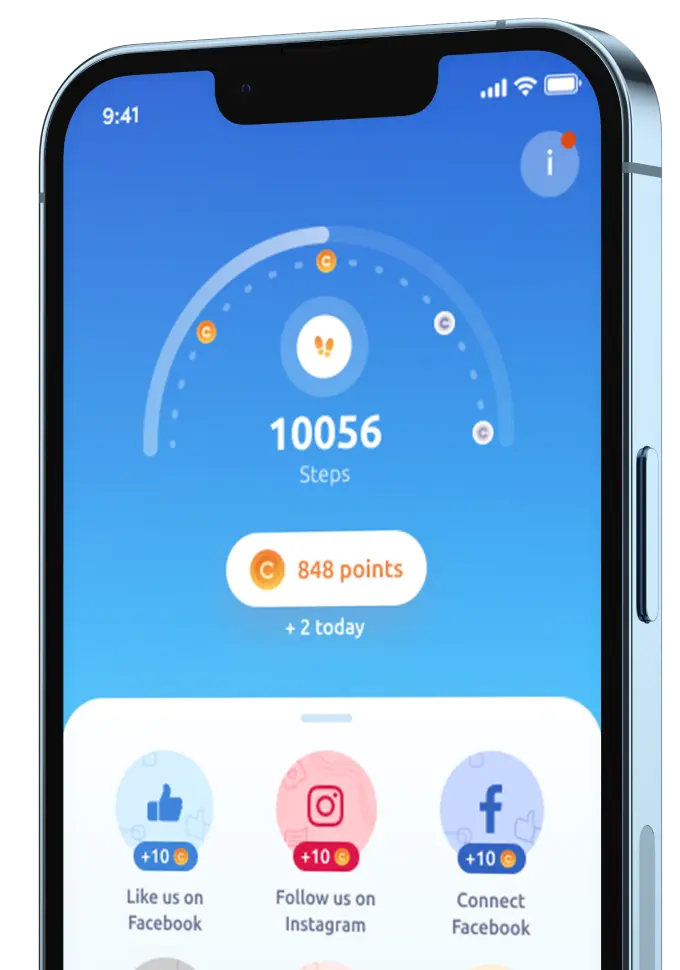 Sweden's 10M+ downloads fitness appMaintain a healthy lifestyle with no time and no money.
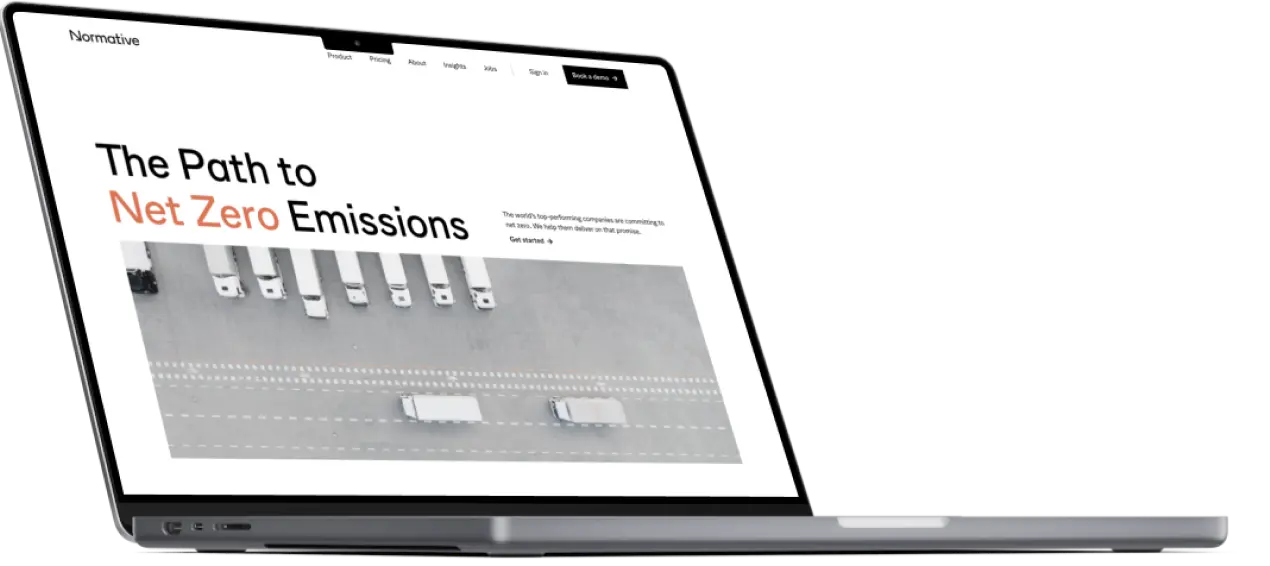 Normative: sustainability reportingSolution for the fast transition to a sustainable society.
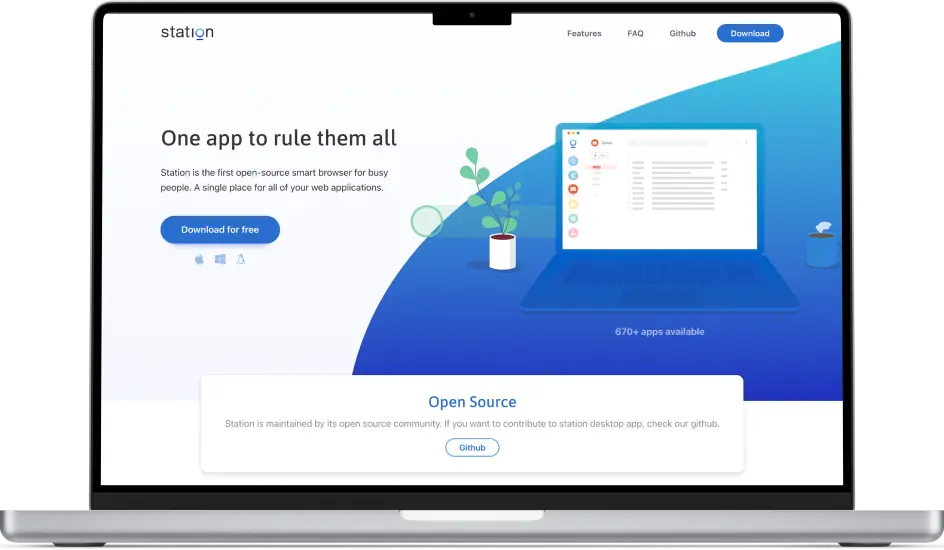 Product Hunt's SaaS Product of the YearCentralize all your apps in one single place.
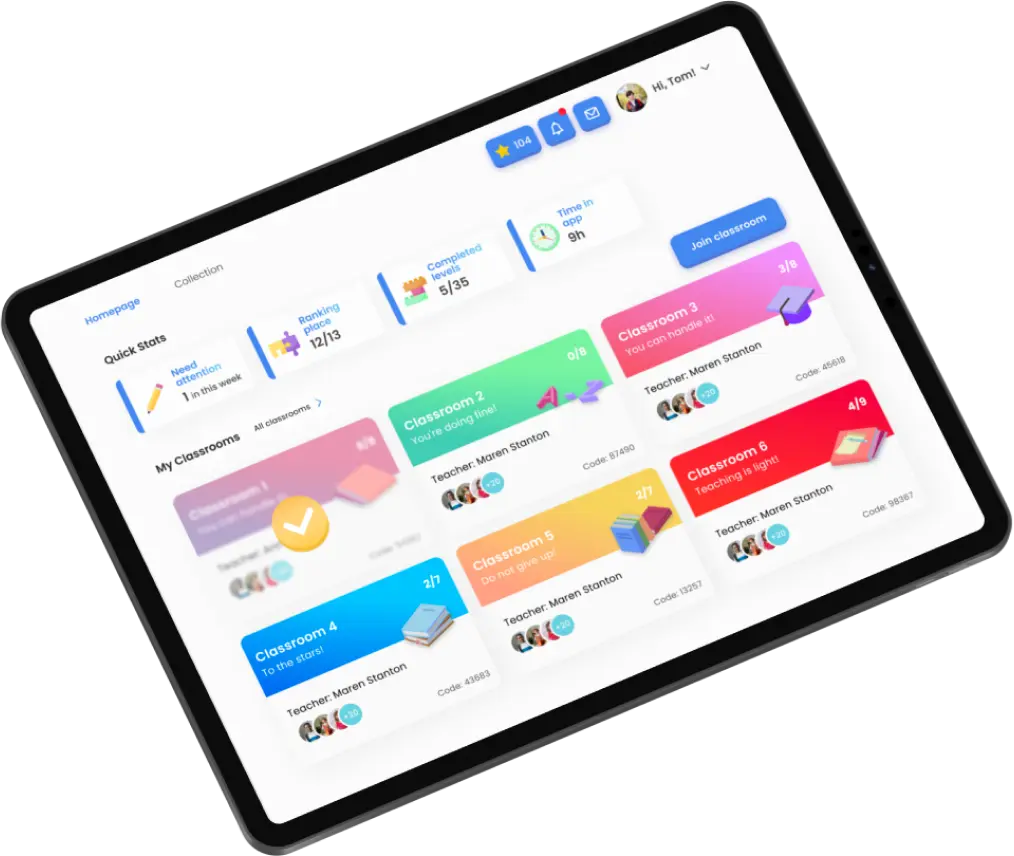 US K-12 educational literacy appReinvent the learning experience for kids.
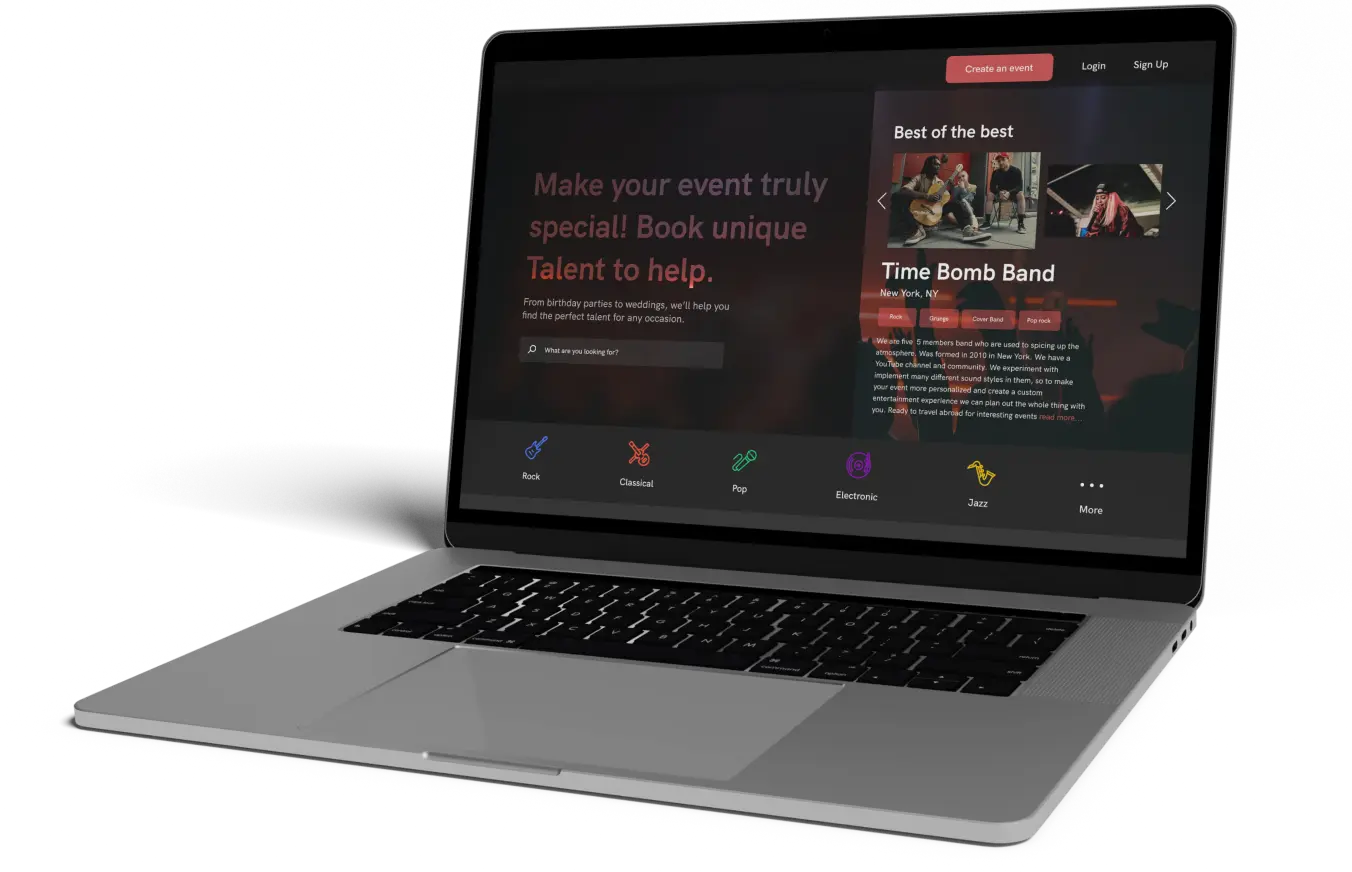 Music marketplace for booking artistsConnecting musicians and talent seekers.
Contact our team

 Our team contacts you within 24 business hours
 We collect all the key requirements from you
 The team of developers prepares estimation
 We can sign NDA since we respect the confidentiality of our clients