
Next.js
Development
We design and ship production Next.js apps that load fast and rank: App Router, server components, streaming, and API routes, with the rendering strategy chosen per route instead of by default. Building software since 2015, rated 5.0 on Clutch.
Talk to our teamWhy teams pick us for Next.js
Senior engineers, not juniors
The people who scope your build are the people who ship it. More than eleven years shipping software, and a 5.0 rating on Clutch across 26 reviews.
Rendering judged per route
We do not default the whole app to one mode. Static where it can be, server where it must be, so every page is as fast as it can be and as fresh as it needs to be.
Read the code before you hire us
Our Next.js work is open source and our production debugging is published in full. Evidence, not adjectives, so you can judge the engineering before you commit.
Read our engineering write-up on fixing Postgres pool exhaustion on Vercel, a problem Next.js apps on serverless hit once they grow.
Who uses Next.js
Next.js powers marketing sites and full products where speed and SEO both matter.
What we build with Next.js
Next.js is more than a React starter. We ship the whole product on it, and we pick the rendering strategy per route.
- SaaS and web appsFull products on the App Router: authenticated dashboards, server components for data, server actions for mutations, and a clean API layer.
- Marketing sites that rankStatic and incrementally-regenerated pages that arrive as HTML, so they load fast and read well for search and AI crawlers.
- E-commerce storefrontsProduct pages rendered for speed and search, cart and checkout on server actions, and incremental regeneration for catalog changes.
- Headless frontendsA Next.js frontend on top of an existing backend, CMS, or commerce platform, typed end to end, replacing a slow legacy UI.
- AI product interfacesStreaming chat and agent UIs built on server components and the Vercel AI SDK, with model and retrieval work behind an API route.
The Next.js stack we work in
From the App Router and server components down to the data layer and hosting.
How we build: rendering chosen per route
The most common Next.js mistake is shipping the whole app in one rendering mode: a marketing page re-rendered on every request, or a dashboard statically generated and always stale. We choose static, server, incremental, or client per route.
Static where it can be
Pages that do not change per user are statically generated or incrementally regenerated, served as cached HTML that costs almost nothing to deliver.
Server where it must be
Authenticated and personalized routes render on the server with server components, so data stays server-side and the browser ships less JavaScript.
Streaming, not blocking
Slow data streams in with Suspense instead of blocking the page, so the shell arrives immediately and the layout does not jump as content loads.
The client bundle, watched
Server components keep data-fetching out of the browser, and we watch the bundle so a fast first load does not quietly rot as the app grows.
React to Next.js migration
Moving an existing React app to Next.js does not have to be a rewrite. We migrate incrementally and keep the app shipping the whole way.
Route by route
We move routing to the App Router one area at a time, so the app keeps working while it migrates instead of going dark for a big-bang rewrite.
Server where it pays off
Data fetching moves to server components where that cuts client JavaScript and speeds up load, and stays on the client where it does not need to change.
Rankings preserved
URLs, redirects, and metadata are carried across deliberately, so the migration does not cost the search rankings you already have.
A plan before anything moves
You get a route-by-route migration order and a plan up front, not a surprise mid-flight. We migrate at the pace your roadmap can absorb.
Next.js vs plain React vs Remix
All three build React apps. They differ in how pages render, how routing and data work, and what you get out of the box. Weighing the two in depth? Read the full Next.js vs React comparison.
SSR, SSG, ISR, client, per route
Client-only by default
Server-rendered by default
Need Next.js developers on your team?
Senior engineers who work in Next.js daily, dedicated to your product or embedded in your team. Usually starting within two weeks.
Hire Next.js developersRelated reading
Recent write-ups from our engineers.
Questions
Is Next.js better than React?
Next.js is not a replacement for React: it is a framework built on it. Plain React gives you the UI library and you assemble routing, rendering, and data fetching yourself. Next.js provides those out of the box with server rendering and the App Router, which is why most production React apps use it. For a simple SPA or an embedded widget, plain React is enough.
Is Next.js good for SEO?
Yes, it is one of its main strengths. Next.js renders pages to HTML on the server or at build time, so search engines and AI crawlers get real content on the first request instead of a blank page that only fills in after JavaScript runs. A plain client-rendered React app is much weaker on SEO for that reason.
Can you migrate our React app to Next.js?
Yes, usually incrementally. We move routing to the App Router, convert data fetching to server components where it helps, and keep the app shipping throughout rather than rewriting from scratch. You get a plan and a route-by-route migration order before anything changes.
How do you engage, and how fast can you start?
Three ways: one dedicated senior engineer, a cross-functional pod, or a scoped fixed-plan project. We scope the work on a short call and start once the plan is agreed.
How much does Next.js development cost?
It depends on scope and engagement model, so we do not quote a flat number up front. A dedicated engineer is a monthly rate; a scoped project is a fixed price against a plan. Tell us what you are building and we come back with an estimate before any work starts.
Who owns the code and the IP?
You do, from day one. You get the repository, the infrastructure, and full ownership of the code, whether we embed in your team or deliver a fixed-scope project.
Do we have to host Next.js on Vercel?
No. Vercel is the smoothest path because it is built by the Next.js team, but Next.js runs anywhere Node.js or an edge runtime does: AWS, your own servers, or a container platform. We deploy to whatever fits your infrastructure and budget.
What clients say about the team
Rated 5.0 across 26 client reviews on Clutch.

“2muchcoffee provides top-notch development work and expert advice that please end-user needs. The team is transparent about progress, communicative, and committed to deadlines.”Adam EgesaCEO & CTO at Normative


“Working with 2muchcoffee felt like having an extension of our own team. They delivered high-quality software, communicated proactively, and adapted quickly to our evolving requirements.”Peter ten KloosterCo-founder

“2muchcoffee quickly understood our product vision and delivered a scalable, well-engineered solution. Their team combined technical excellence with proactive communication, making the entire development process smooth and efficient. We highly value them as a long-term technology partner.”Read Clutch review

“2muchcoffee was an outstanding partner from start to finish. Their team combined thoughtful UX/UI design with strong technical execution, communicated clearly throughout the project, and consistently delivered high-quality results.”Lindsay ScholtesCo-founder & CEO at Scholyr


“2muchcoffee consistently delivered high-quality work with strong technical expertise and excellent communication. Their team understood our product vision, proposed valuable improvements, and became a reliable engineering partner throughout the development process.”Niklas FriskCo-founder & CEO at Stepler
“2muchcoffee integrated seamlessly with our team and consistently delivered high-quality work on time. Their developers were proactive, detail-oriented, and always focused on creating the best possible user experience.”Lars RiegerProduct Manager at Digistore24
Award-Winning Software Development Company
Rated 5.0 across 26 client reviews on Clutch. Every listing below is an independent directory where our profile and client reviews are public.
Recent Projects
Products we have shipped on React and Next.js, from a first MVP to platforms carrying millions of users.
 Sweden's 10M+ downloads fitness appMaintain a healthy lifestyle with no time and no money.
 Normative: sustainability reportingSolution for the fast transition to a sustainable society.
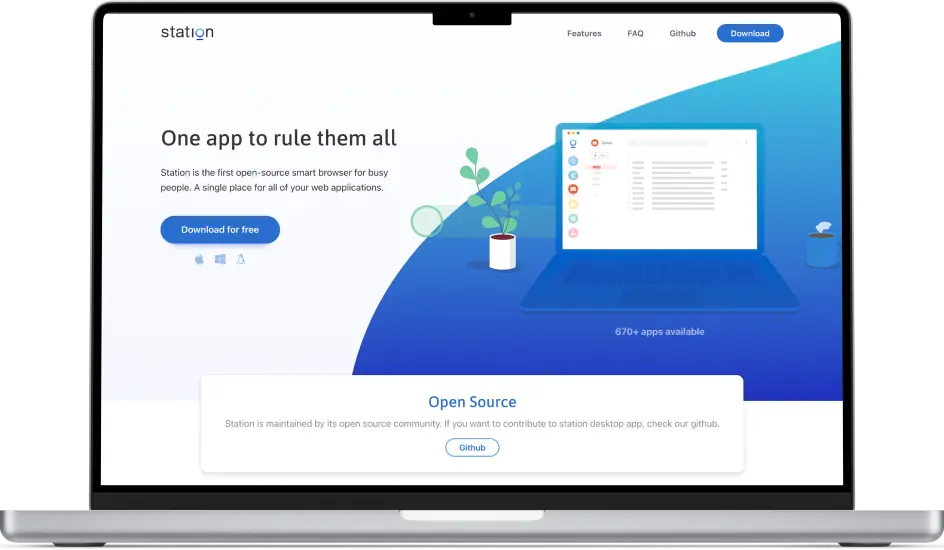 Product Hunt's SaaS Product of the YearCentralize all your apps in one single place.
 US K-12 educational literacy appReinvent the learning experience for kids.
 Music marketplace for booking artistsConnecting musicians and talent seekers.
Contact our team

 Our team contacts you within 24 business hours
 We collect all the key requirements from you
 The team of developers prepares estimation
 We can sign NDA since we respect the confidentiality of our clients