
Mobile app development that stays on the home screen
Native iOS and Android, or one React Native codebase for both. We built Stepler, the Swedish fitness app past 10M+ downloads, and we keep apps fast long after launch day.
Talk to experts nowRecent projects
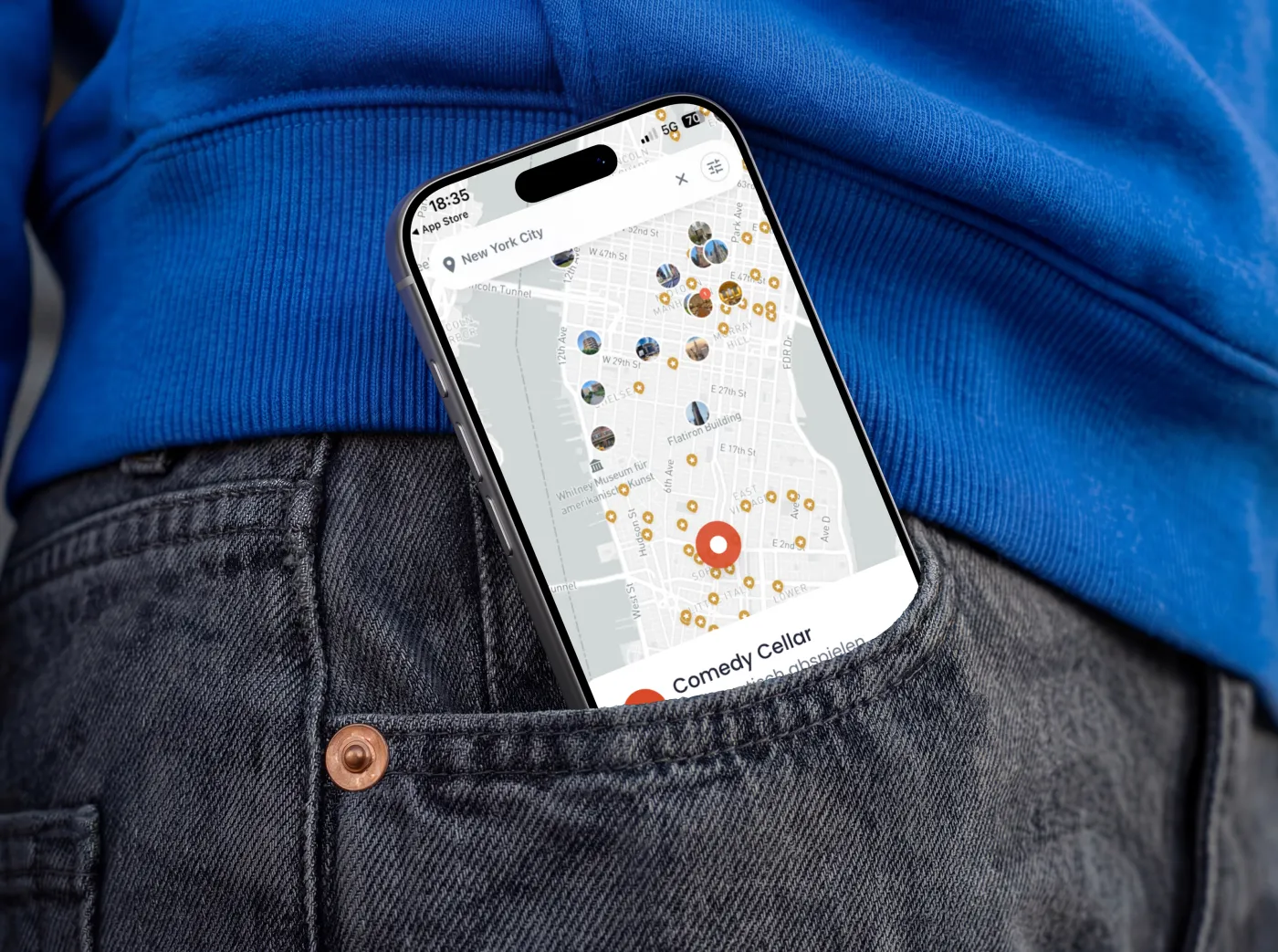
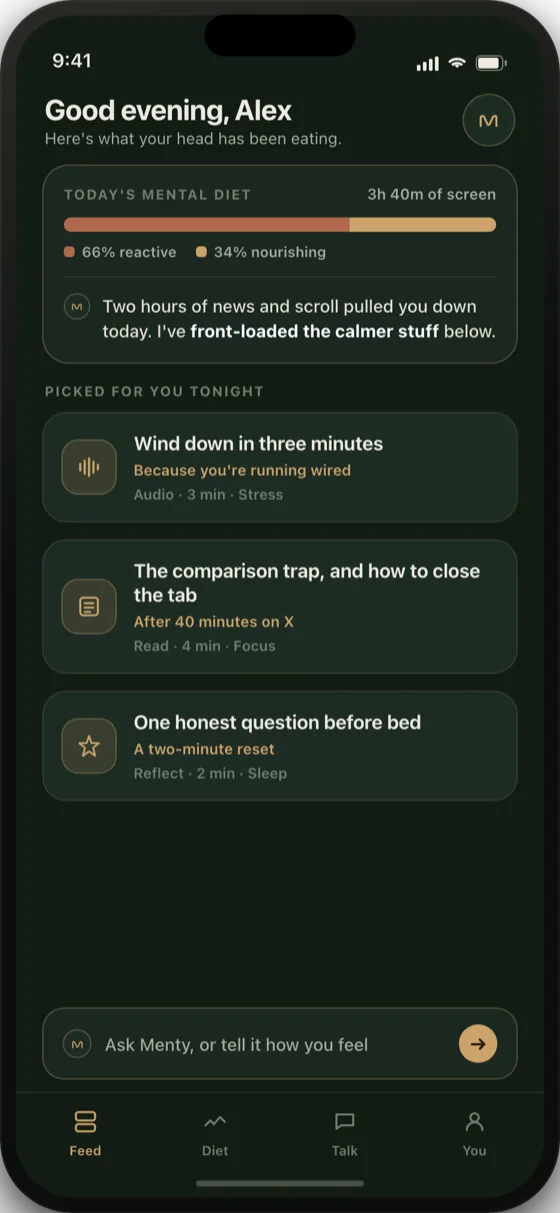
Mobile products we have built end to end, from the first screen to the store listing, for startups and big brands alike.
One codebase, every platform
Cross-platform mobile app development with React Native: your app runs natively on iOS and Android from one codebase, without two teams, two backlogs and two release trains.
Native feel, one codebase
React Native compiles to native components on each platform, so the app looks and responds like a native build without doubling the engineering.
Get a quoteFull device API access
Camera, GPS, push notifications, contacts, biometrics: the app gets the same native hooks a fully native build would get.
Get a quoteBuilt to run offline
Local persistence and sync patterns that keep the app usable on a flaky connection instead of stalling on a spinner.
Get a quoteProven at 10M+ downloads
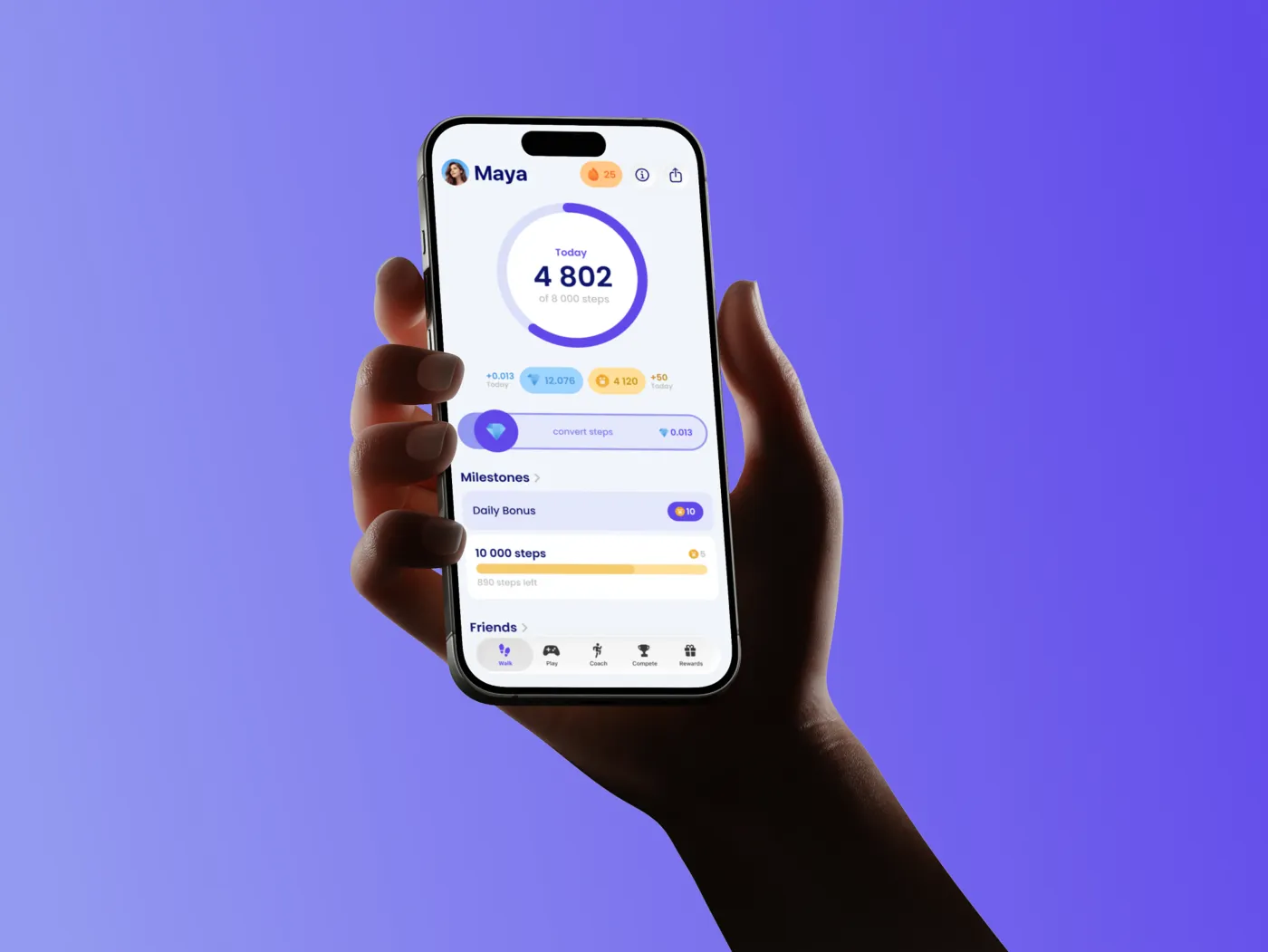
Stepler runs on our React Native work past 10M+ downloads and millions of users across 12 markets; keeping it fast at that load is sustained optimization, not a demo build.
Get a quoteStore-ready release
App Store and Google Play submissions, provisioning, and review-guideline compliance handled as part of the build, not an afterthought.
Get a quoteYou save time and money
One team building for every platform at once, instead of separate iOS, Android, and web budgets running in parallel.
Get a quoteMobile app development process
From the first wireframe to a store listing and the update after that. Whether it is a new build or taking over an existing app, this is the loop we run it through.
Discovery and framework choice
We scope the app against your team, timeline, and budget, then recommend React Native or a native build based on what the app actually needs, not on what we prefer to build with.
UI/UX design
A user-centric interface designed for touch first, with the platform’s own conventions respected on iOS and Android rather than a single generic skin.
Building the app
Engineers who work in React Native daily build the app against native APIs, with device features wired in from the start rather than bolted on later.
QA across real devices
Usability, performance, and load testing across the device and OS-version spread your users are actually on, not just the simulator.
Store release
App Store and Google Play submissions, screenshots, and listing copy prepared and managed through review, so launch day is not the first time the build meets a reviewer.
How we publish to both storesSupport and growth
OS updates, new device sizes, and new features land after launch, with the same team that shipped the first version carrying it forward.
Our mobile development services
Need the web app beside it? We build those too; see our web development services.
- React Native app developmentJavaScript compiled to genuinely native components, with no extra container layer between the app and the OS.
- Native iOS and AndroidSwift and Kotlin when the product is the platform: regulated data, heavy camera or AR work, or an Apple-first audience.
- Mobile UI/UX designUser-centric, platform-aware interfaces designed for touch, not ported from a desktop layout.
- Backend, APIs and cloud for mobileThe API, auth, sync and push infrastructure behind the app, built by the same team: Node.js and NestJS services, GraphQL, Firebase and AWS.
- Code review and taking over an existing appA line-by-line read of the codebase before we touch it, then the takeover: dependency upgrades, the New Architecture migration, and the features the previous team never shipped.
- Support and store complianceOS updates, new device sizes, store policy changes and new features handled by the team that shipped the first release.
Frameworks we build mobile apps with
One React Native codebase for most products, native modules where the platform demands them, and the backend that keeps the app in sync.
Cross-platform frameworks
- React Native Development
- Expo and EAS

Native APIs
- Device API Integration
- Push Notifications
Backend & Cloud


Not sure which fits your app? Get a range in two minutes, or tell us what you are building.
Engagement models
Three ways to bring us in. Pick the one that fits your stage, you can change it as your roadmap changes.
Dedicated developer
One senior mobile engineer, full-time on your app and managed by you, in your standups, your board, and your repository.
- Full-time on one product
- Works in your tools and process
- Design, QA and code review behind them
- Monthly rate, scale up or down
Best fit for an ongoing roadmap with a steady flow of work.
Dedicated team
A cross-functional pod that owns the app end to end: engineering, design, and QA, without you growing headcount.
- Engineers, design and QA in one pod
- Owns delivery end to end
- Ramps up without new hires
- Grows and shrinks with the roadmap
Best fit for a product that needs more than one pair of hands.
Project-based
A scoped iOS and Android build, delivered against a fixed plan, price, and timeline agreed before work starts.
- Scope agreed up front
- Fixed plan, price and timeline
- Delivered end to end
- Handover with the repo and docs
Best fit for a defined build with a clear finish line.
Mobile development, answered
The questions buyers ask before they scope a build.
What mobile apps have you actually shipped?
Stepler, the Swedish fitness app we built end to end: it launched as the #1 fitness app in Sweden in 2020, has passed 10M+ downloads and serves millions of users across 12 markets, on a React Native client that reads steps from Apple Health and Android Health Connect. Guidable, an audio-tour app with hundreds of thousands of users across Germany, backed by Deutsche Telekom. Faktastisch, a German online magazine live on iOS and Android at millions of pageviews a month. All three are in the stores today.
What does a mobile app cost with you?
It depends on scope, and anyone quoting one number before a scoping call is guessing. For orientation, the 2026 market bands published by GoodFirms across 267 agencies run $15,000 to $40,000 for a simple MVP, $40,000 to $120,000 for a mid-complexity app with payments, push and an admin panel, and $100,000 and up for products with real-time features or compliance, with maintenance at 15 to 25 percent of the build per year. Our estimator gives you a range for your scope in about two minutes, and a scoping call turns that range into a fixed quote.
How long does it take, and what about store review?
A focused MVP typically runs two to four months from kickoff to store listing; a mid-complexity app four to nine. Store review is its own line in the plan: Apple reports that 90 percent of submissions are reviewed within 24 hours, and Google Play requires a new personal developer account to run a closed test with 12 testers for 14 consecutive days before it can publish, so a first-time launch under a new account needs about three weeks for that alone. We schedule both from the start rather than discovering them at the end.
React Native, Flutter, or native?
React Native for most products: one codebase, native components on each platform, Expo tooling, and the New Architecture as the default since React Native 0.82. Native Swift and Kotlin when the product is the platform: regulated data, heavy camera or AR work, or an Apple-first audience. Flutter is a credible alternative and our comparison guide weighs it honestly. If you already have a React or Angular web app, Capacitor (Ionic) can wrap it for the stores, and we will say so when that is the cheaper path rather than default to what we prefer to build with.
React Native vs Flutter Hire React Native developers Ionic and Capacitor
Who owns the code and the store accounts?
You do. The repository lives in your GitHub or GitLab organization with our engineers as collaborators, the Apple Developer and Google Play accounts are opened in your name, and so are Firebase, AWS and every third-party key. The contract is work-for-hire, source and design files are handed over at every release, and we sign an NDA before the first call if you want one.
What changed in the app stores in 2026 that affects my launch?
Apple has required uploads built with the iOS 26 SDK since 28 April 2026, and it still rejects builds whose third-party SDKs ship without privacy manifests. Google Play has required new apps and updates to target Android 16 (API level 36) since 31 August 2026. Texas requires age assurance for new Apple accounts since June 2026, with Utah and Louisiana following, so apps with users in those states implement Apple’s Declared Age Range API and Google Play’s Age Signals. We track these as part of the build, not as a surprise at submission.
Where is the team, and how do we work together?
2muchcoffee is a US company headquartered in St. Petersburg, Florida, with a distributed senior team and US business-hours overlap. You can bring us in as a dedicated team inside your process and your board, hand us the whole build as a project with agreed outcomes, or mix the two. We have shipped software since 2015 and hold a 5.0 rating on Clutch across 26 reviews.
Can you take over an app another team built?
Yes, and it starts with a code review rather than a rewrite pitch: we read the codebase, list what blocks the next release, and quote the takeover against that list. The usual first jobs are dependency and SDK upgrades, the React Native New Architecture migration, crash fixes, and the store compliance work described above. The team that does the review is the team that carries the app afterwards.
What our clients say
Trusted by the best in their industries.

“2muchcoffee consistently delivered high-quality work with strong technical expertise and excellent communication. Their team understood our product vision, proposed valuable improvements, and became a reliable engineering partner throughout the development process.”
Contact our team

 Our team contacts you within 24 business hours
 We collect all the key requirements from you
 The team of developers prepares estimation
 We can sign NDA since we respect the confidentiality of our clients