
NestJS
Development
We build structured, typed Node.js backends: modules, dependency injection, and GraphQL or REST APIs that stay maintainable as a team and a codebase grow, not an Express app that turns to spaghetti at scale. Stepler, which launched as Sweden's #1 fitness app and has passed 10M+ downloads, runs on our Node.js and NestJS backend today.
Talk to our teamWhy teams pick us for NestJS
Senior engineers, not juniors
The people who scope your build are the people who ship it. More than eleven years shipping software, and a 5.0 rating on Clutch across 26 reviews.
Structure that survives a growing team
Modules and dependency injection, decided before the first endpoint, so the codebase stays navigable once it is not just the two of us who know it.
Read the work before you hire us
Stepler's production NestJS backend runs at 10M+ downloads today, and our NestJS engineering standards are published in full. Evidence, not adjectives.
Who uses NestJS
NestJS backs structured Node.js backends at companies that need APIs to stay maintainable at scale.
What we build with NestJS
NestJS is the framework we reach for once a Node.js backend needs to survive more than one developer and more than one release.
- Production APIs, REST and GraphQLModular, typed backends with dependency injection, so the codebase stays organized as endpoints, teams, and traffic grow. Stepler runs its production API this way.
- Real-time and event-driven backendsWebSocket gateways and message-queue consumers built on the same module structure as the rest of the app, not a separate script bolted on the side.
- Microservice and monolith architecturesNestJS scales down to a single well-structured monolith and up to a microservice architecture over gRPC or a message broker, chosen by what your team and traffic need.
- Express-to-NestJS rebuildsLegacy Express backends restructured into NestJS's module and dependency-injection pattern, incrementally, so the API keeps serving traffic.
- Backend for AI and agent systemsNestJS as the typed API layer in front of retrieval, agent, and model-serving work: AI logic behind a clean module boundary instead of mixed into route handlers.
The NestJS stack we work in
From the module and provider layer down to the database and deployment.
For the layers around it, see our Node.js development and AWS development work.
How we build: structure decided before the first endpoint
The most common NestJS mistake is treating it like Express with extra steps: one giant module, business logic in controllers, no clear boundary between features. We decide the module and dependency structure first.
Modules mapped to real boundaries
Feature modules follow the actual boundaries in your domain, not a folder-per-file convention that stops meaning anything past a dozen endpoints.
Business logic out of controllers
Controllers stay thin. Services hold the logic, so it is testable in isolation and reusable across REST, GraphQL, or a background job without copy-paste.
Dependency injection, used deliberately
Providers and interfaces are structured so a database, queue, or third-party API can be swapped or mocked without touching the code that depends on it.
Typed end to end
DTOs and validation pipes catch a malformed request before it reaches your business logic, and the same types travel from the database through to the API response.
The standards behind this are published in full: The 2muchcoffee Nest.js Manifesto, 11 engineering standards we ship NestJS backends by.
Express to NestJS migration
Moving a growing Express API to NestJS does not have to mean freezing feature work for a quarter. We migrate incrementally and keep the API serving traffic the whole way.
Module by module
We wrap the existing Express app and migrate one feature module at a time, so the API keeps responding while the architecture underneath changes.
Structure first, rewrite second
Routes get grouped into real feature modules and business logic gets pulled out of handlers into services before anything is rewritten line by line.
Types added where they pay off
Request and response shapes get typed and validated first, since that is where an untyped Express API produces the most runtime bugs.
A plan before anything moves
You get a module-by-module migration order and a plan up front, not a surprise mid-flight. We migrate at the pace your roadmap can absorb.
NestJS vs Express vs Fastify
All three run on Node.js. They differ in how much structure you get out of the box versus how much you assemble yourself. Weighing NestJS against plain Express in depth? Read the full comparison.
Modules, DI, decorators built in
None, minimal by design
Plugin-based, lighter than Nest
Related reading
Recent write-ups from our engineers.
Questions
Is NestJS better than Express?
NestJS is built on top of Express (or Fastify) by default, not a replacement. Express gives minimal structure and you assemble the rest; NestJS provides modules, dependency injection, and TypeScript-first conventions out of the box, which is why it holds up better once a codebase and team grow. For a small service with one or two routes, plain Express is often enough.
Do you build GraphQL APIs with NestJS?
Yes, one of our most common uses. Stepler's production API is Node.js, NestJS, and GraphQL together, serving 10M+ downloads across 12 markets.
Can you migrate our Express app to NestJS?
Yes, usually incrementally, module by module, so the API keeps serving traffic throughout rather than freezing feature work for a rewrite. You get a migration order and a plan before anything changes.
How do you engage, and how fast can you start?
Three ways: one dedicated senior engineer, a cross-functional pod, or a scoped fixed-plan project. We scope on a short call and start once the plan is agreed.
How much does NestJS development cost?
It depends on scope and engagement model. A dedicated engineer is a monthly rate; a scoped project is a fixed price against a plan. Tell us what you are building and we come back with an estimate before any work starts.
Who owns the code and the IP?
You do, from day one. You get the repository, the infrastructure, and full ownership of the code, whether we embed or deliver a fixed-scope project.
What database do you use with NestJS?
Whatever fits the product, most often PostgreSQL or MongoDB behind TypeORM or Prisma. Stepler runs on MongoDB; a relational data model usually points us to PostgreSQL.
What clients say about the team
Rated 5.0 across 26 client reviews on Clutch.

“2muchcoffee provides top-notch development work and expert advice that please end-user needs. The team is transparent about progress, communicative, and committed to deadlines.”Adam EgesaCEO & CTO at Normative


“Working with 2muchcoffee felt like having an extension of our own team. They delivered high-quality software, communicated proactively, and adapted quickly to our evolving requirements.”Peter ten KloosterCo-founder

“2muchcoffee quickly understood our product vision and delivered a scalable, well-engineered solution. Their team combined technical excellence with proactive communication, making the entire development process smooth and efficient. We highly value them as a long-term technology partner.”Read Clutch review

“2muchcoffee was an outstanding partner from start to finish. Their team combined thoughtful UX/UI design with strong technical execution, communicated clearly throughout the project, and consistently delivered high-quality results.”Lindsay ScholtesCo-founder & CEO at Scholyr


“2muchcoffee consistently delivered high-quality work with strong technical expertise and excellent communication. Their team understood our product vision, proposed valuable improvements, and became a reliable engineering partner throughout the development process.”Niklas FriskCo-founder & CEO at Stepler
“2muchcoffee integrated seamlessly with our team and consistently delivered high-quality work on time. Their developers were proactive, detail-oriented, and always focused on creating the best possible user experience.”Lars RiegerProduct Manager at Digistore24
Award-Winning Software Development Company
Rated 5.0 across 26 client reviews on Clutch. Every listing below is an independent directory where our profile and client reviews are public.
Recent Projects
Backends we have structured with NestJS, from production APIs to microservice platforms.
 Sweden's 10M+ downloads fitness appMaintain a healthy lifestyle with no time and no money.
 Normative: sustainability reportingSolution for the fast transition to a sustainable society.
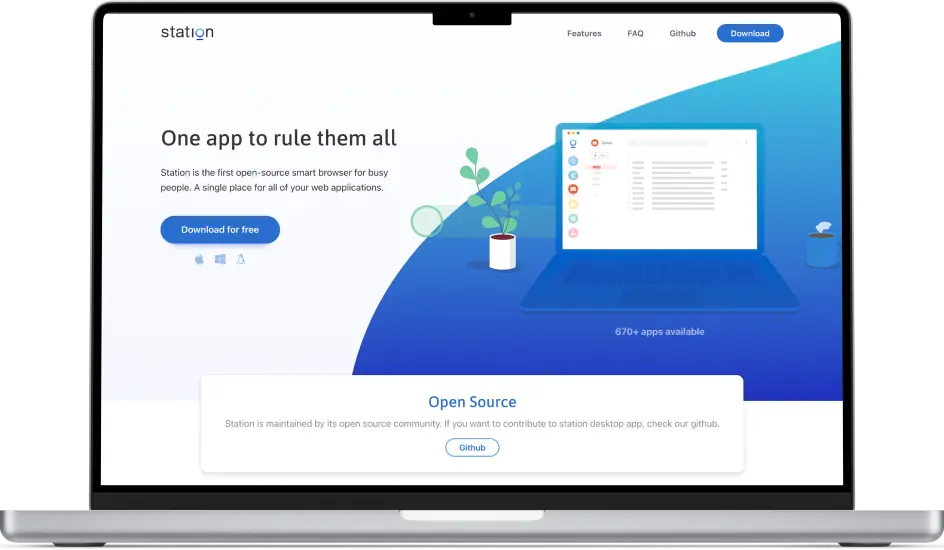 Product Hunt's SaaS Product of the YearCentralize all your apps in one single place.
 US K-12 educational literacy appReinvent the learning experience for kids.
 Music marketplace for booking artistsConnecting musicians and talent seekers.
Contact our team

 Our team contacts you within 24 business hours
 We collect all the key requirements from you
 The team of developers prepares estimation
 We can sign NDA since we respect the confidentiality of our clients